The New Power Dressing
For decades, power dressing followed a familiar formula. Sharp tailoring, structured blazers, and heels high enough to command attention across a boardroom table defined the visual language of ambition. Clothing was meant to signal competence, discipline, and authority. For many women entering spaces historically dominated by men, this uniform served a purpose. It translated seriousness and professionalism in environments that expected both to look a certain way.
But something has shifted in the past few years. The visual language of power has softened. The most influential women today are not necessarily dressing in rigid suits or dramatic silhouettes. Instead, power dressing has begun to take on a quieter, more fluid aesthetic. Authority is no longer communicated through armor. It appears through ease.
Quiet Authority
Watch the women shaping culture today—founders, designers, editors, investors—and the difference becomes clear. The wardrobe has relaxed without losing its sophistication. Tailored trousers replace rigid suits. Cashmere knits stand in for heavy structured jackets. Loafers or refined flats replace the once-obligatory heel.
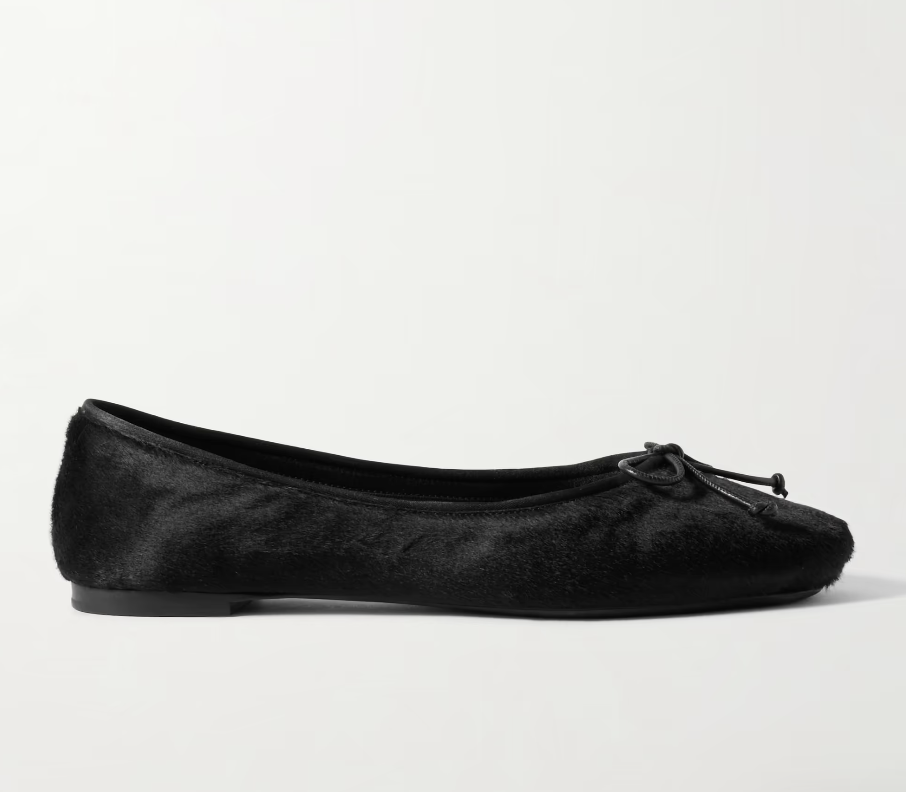
Charlotte calf hair ballet flats
The effect is not casualness, but confidence. When authority becomes internal rather than performative, clothing no longer needs to do as much work. The result is an aesthetic that feels grounded rather than declarative. Power is no longer being announced. It is simply present.
Dressing for a Real Life
Another reason power dressing has evolved is practical. Modern professional life rarely exists entirely inside a boardroom anymore. Work now moves fluidly between environments—morning calls from home, mid-day meetings, writing sessions, travel, and family responsibilities.
Clothing must move with that rhythm. The women redefining style today are not dressing for a single moment of visibility. They are dressing for a full day that contains many roles. That means fabrics that feel comfortable and breathable, silhouettes that allow movement, and pieces that transition easily between different parts of life.
The wardrobe becomes less theatrical and more functional, but in a refined way. Effortlessness itself becomes part of the aesthetic.
The Quiet Luxury Effect
The rise of quiet luxury has also reshaped the visual language of authority. For years, status was communicated through visible branding—logos, labels, and recognizable status symbols. But the current moment has shifted toward subtlety.
Today, the signals of taste are quieter. A beautifully cut coat. A pair of trousers that fit perfectly. Soft fabrics that drape naturally. A handbag that suggests craftsmanship rather than branding.
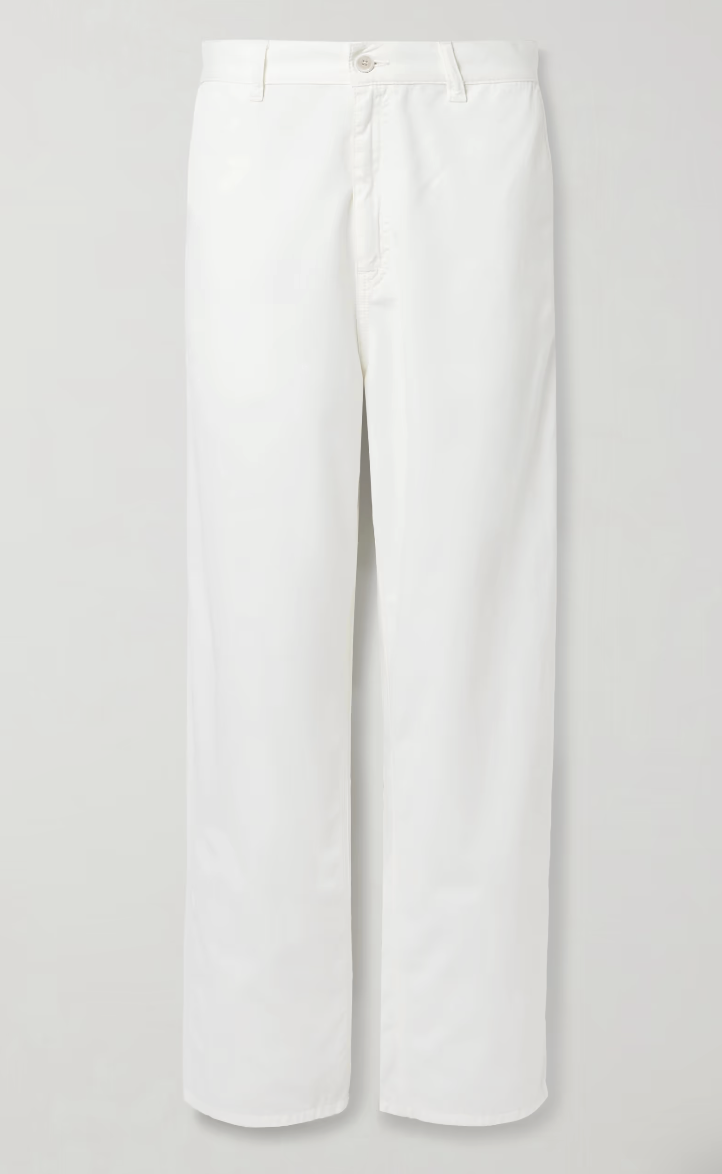
Sharka cotton and cashmere-blend twill wide-leg pants
These details communicate something deeper than wealth. They suggest taste. The ability to recognize quality without needing it to announce itself. In many ways, discernment has become the most powerful status signal of all.
Style and Self-Knowledge
Perhaps the most interesting evolution in power dressing is psychological rather than aesthetic. Many women eventually reach a point where style becomes less about transformation and more about self-knowledge.
In earlier stages of life and career, clothing often functions aspirationally. It reflects the identity someone hopes to grow into. Over time, however, something quieter happens. Women begin to understand what truly works for them. What feels natural. What reflects their life rather than an imagined version of it.
That clarity simplifies the wardrobe. Not in effort, but in intention. Fewer pieces, chosen more carefully. A sense of cohesion rather than experimentation. Style becomes less about signaling ambition and more about expressing identity.
The Future of Power Dressing
If the past defined power dressing through visual intensity, the future may define it through balance. Comfort and elegance. Structure and ease. Clothing that complements presence rather than competing with it.
The women shaping culture today are not always the most dramatically dressed. Instead, they are often the ones whose style feels integrated into their lives. Their clothing moves with them. It reflects their priorities, their environments, and the confidence they have developed over time.
Power dressing, in its newest form, is not about proving authority.
It is about dressing from it.